
Happy customers are the key to your business success. So, if you want to make sure your business stands out, I have a tip for you: know your customers!
But each online visitor has different needs, just like a customer approaching an on-site store.
So how can you know in advance what type of customer you are about to deal with?
Don’t worry; to make life easier for you, I have highlighted different types of customers in this blog.
Just stick with me, and by the end of this blog, you will know exactly how to handle every online user who interacts with your business.
So, let’s get started!
1. The Wandering Customer
At the top of the sales funnel are wandering customers: such potential clients don’t have any clear motive.
They are simple browsers or lookers on your website with no clear intention of purchasing. They also don’t have a specific brand preference.
And since their goal is not to purchase a service, they are considered the most difficult to convert into paying customers.
Here’s the plus point for you: wandering customers draw the largest traffic to your website, and it’s up to you to somehow convince them….but you have 54 seconds on average before they turn to another web page!
How to Deal with Such Customers
Here are some useful tips to handle browsing customers:
- Focus on simplicity
- Follow a simple and welcoming tone
- Avoid being too salesy in your approach
- Share links to FAQs and comparison posts
- Help users realize the real value of your products and services
2. The New Customer

What about the customers who have recently purchased a service from you?
Think of this phase as your golden period, and encourage them to return to your site. Make customers feel at home, and offer discounts for first-time buyers.
Because who doesn’t like discount vouchers?
Research shows that 88% of customers won’t return to your website after a poor experience. So make sure your new users are not included in this list!
How to Deal with Such Customers
Here are some useful tips to turn new customers into long-term clients
- Ensure a smooth onboarding process
- Offer first-buyer discounts
- Share links to similar products
- Send a personalized “thank you” message
- Request feedback for improvements in user experience
- Ask for reviews about the product and share it on social media (with consent)
3. The Confused Customer
These are customers who have a goal in mind but are still uncertain about which specific product to purchase.
These types of customers are more common than you think, and it’s up to your support team to remain calm, resolve their issue, and turn them into paying users.
How to Deal with Such Customers
Want to know how to handle such clients? You are in the right place!
- Listen to your customers and understand their pain points
- Clarify each point in detail, but don’t overwhelm them with information
- Stay calm and provide reassurance
- Provide simple comparisons of products and help them make the final decision
For example, a homeowner comparing different styles of mailbox numbers may need guidance on visibility, durability, and design before making a purchase.
4. The Angry Customer

There are times when customers visit your platform specifically to register a complaint.
Common reasons include damaged products, delayed deliveries, unexpected charges, or poor customer service.
These angry customers can cause long-term damage; word of mouth spreads, and more users could end up blacklisting your business.
How to Deal with Such Customers
Based on expert suggestions, here are some tips to deal with angry customers:
- Stay calm and listen to your customers
- Don’t show your frustration in any way
- Offer clear solutions to their problems
- Help them resolve their issue quickly
- Avoid delayed responses, as they increase frustration
- Be apologetic and offer compensation or goodwill gestures
5. The Aggressive Customer
Aggressive customers are the most difficult to deal with.
Why? Because they are looking for a quick and easy solution. But they can also easily blame you for their own mistake.
Also, they may resist listening to support agents, especially when they feel frustrated or misunderstood.
In short, you need to be patient and maintain serenity at all times to convince them.
How to Deal with Such Customers
Lucky for you, I have highlighted simple tips to deal with aggressive customers:
- Listen intently before offering any solution
- Show empathy and acknowledge their frustration
- Provide step-by-step instructions to solve the problem
- Understand your boundaries and know when to escalate the matter to superiors
6. The Impulse Customer
At this stage, you’re dealing with users who are more likely to spend money and convert into paying customers.
Impulse customers are known for making quick decisions; it’s up to your agents to convince them with social proof, client testimonials, and affordable prices.
But these website visitors are also more likely to leave bad reviews in case of a poor customer experience.
Also, they have a very short attention span; they might move on to another platform before you know it.
How to Deal with Such Customers
The following tips are more than handy for handling impulse customers:
- Ensure simple but quick responses
- Provide social proof and previous user experiences
- Guide them through the whole shopping process in simple language
- Impulse customers have a short attention span; focus on the most important differences and benefits
7. The Loyal Customer
Last but not least, there are those regular customers who repeatedly visit your platform, purchase a product, and recommend your site to others as well.
Their behavior shows a high level of satisfaction with both your product quality and customer support.
Simply put, ensuring excellent customer support to loyal customers is the ideal way to boost your revenue.
How to Deal with Such Customers
While loyal customers are easier to handle, maintaining their trust needs some effort.
Support teams should follow these best practices.
- Be honest and transparent in every interaction
- Offer loyalty rewards or discounts
- Encourage reviews and testimonials
- Don’t miss this opportunity to advertise other similar products
- Address them by name and point out past interactions to make them feel valued.
Struggling With Customer Queries? Try TrustChat
If your support team is unable to deal with angry customers and a large number of unanswered queries, I have a suggestion for you.
TrustChat is an ideal help desk platform that leads to excellent customer support and more clients for your business.
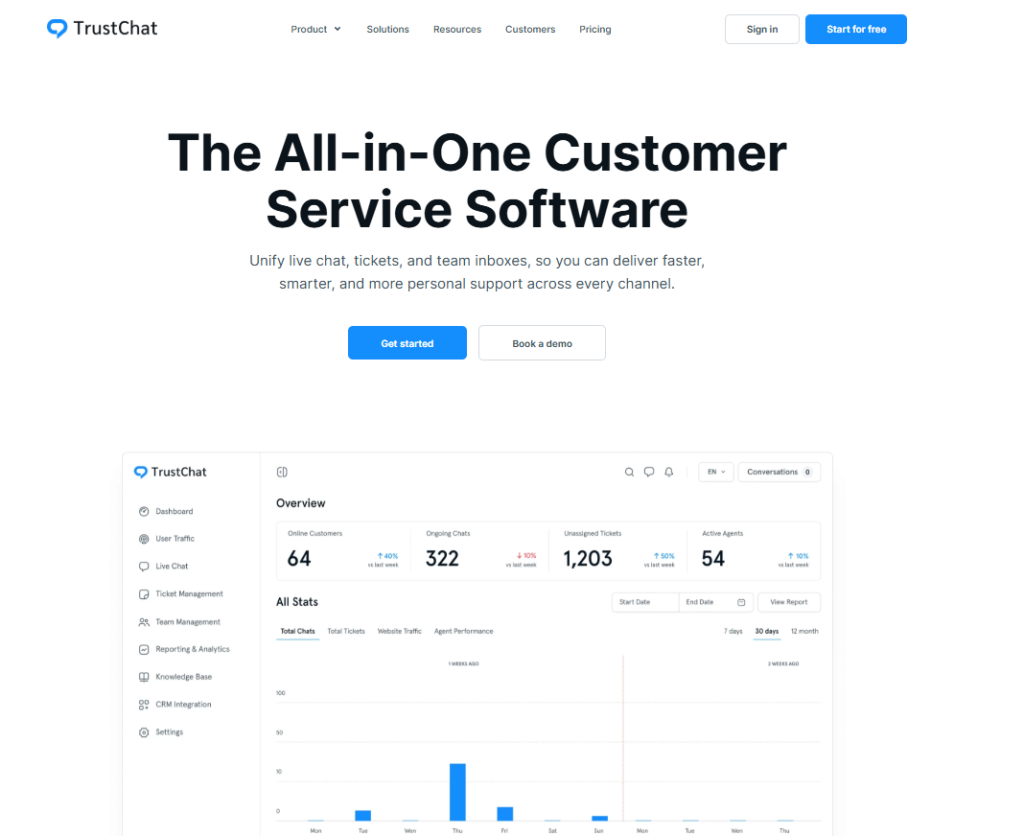
From automated routing and AI chatbots to multi-platform support, TrustChat has everything you need to ensure top-notch customer support.
And the best part? For now, you can avail all the features for free. So, don’t miss this chance to take your customer support experience to the next level with TrustChat!
Final Thoughts
The bottom line is this: every visitor landing on your website has different requirements and temperament.
And by classifying each user and dealing with them accordingly, you can understand them better.
Want to ensure excellent and real-time support? TrustChat is the ideal support software for your support agents. Don’t miss this opportunity to try out all the features for free!